Horror Beats: Scary Music
- 4.0
- Rating
- 1.00M
- Installs
- Free
- Price

 Analysis by App-foxy
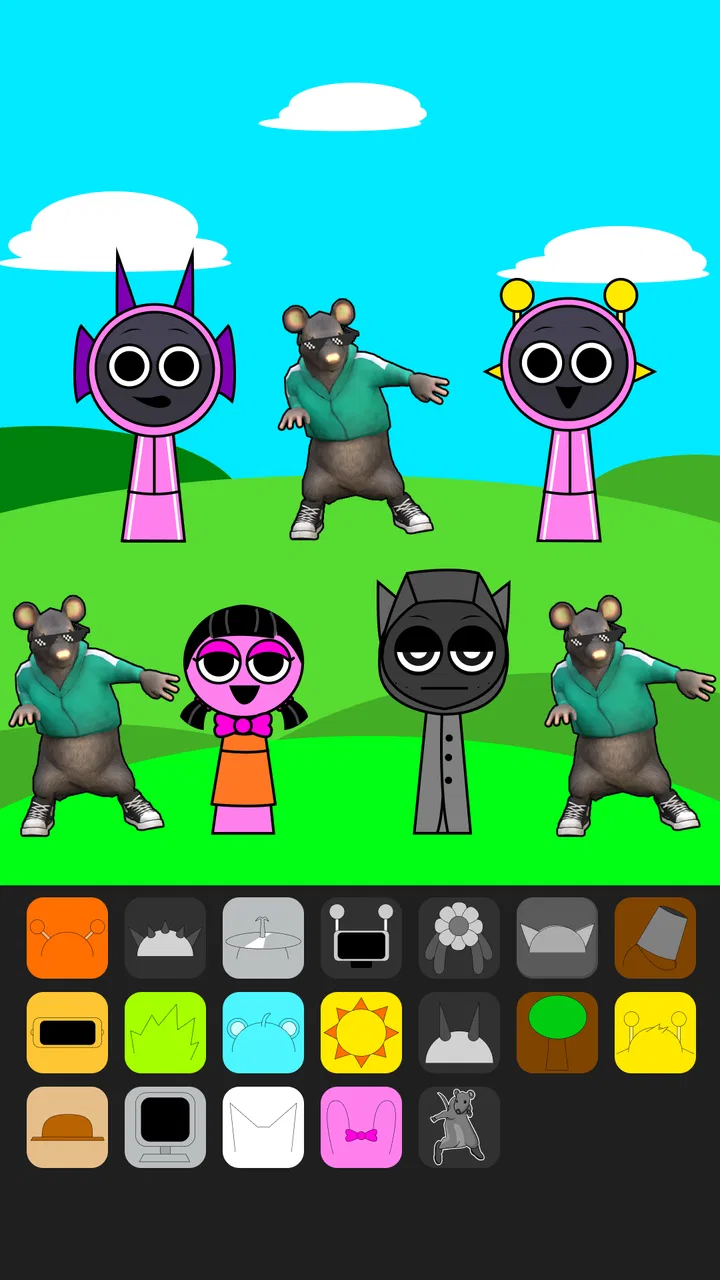
I approached Horror Beats: Scary Music as a quick music game rather than a full production studio, and that distinction matters from the first minute. Its appeal is the simple pleasure of combining dark, playful sounds into a remix that feels like your own. The mood is spooky, the interaction is casual, and the learning curve is gentle enough for someone who normally avoids music-making apps.
The game comes from TSACom and sits in the music category, with a Teen content rating. It is free to install, although optional in-app purchases range from $4.99 to $14.99 per item. I would describe it as a small creative playground: you experiment, listen, adjust, and decide when a mix has reached the point where it is worth keeping or sharing with someone nearby.
What the first session feels like
The store summary points toward funky beats and soundbox modifications, but the practical experience is less about composing a traditional song and more about discovering combinations. You are not expected to understand musical notation, tempo controls, or recording terminology before starting. That makes the game approachable for younger players, casual listeners, and anyone who wants something interactive during a short break.
You May Also Like

 Blood Strike: 2.5 Anniversary
Blood Strike’s Loadouts Turn Every Drop Into a Tactical Gamble
A close look at Blood Strike’s custom loadouts: how fast access to signature weapons reshapes its battle royale rhythm, rewards preparation, and narrows the gap between fights.

 Pandora - Music & Podcasts
Pandora’s Music Is Easy to Start, but Harder to Recover
Pandora’s strength is its low-effort path from a seed to a station. Its weak spot is how much confidence it asks you to place in connection, setup, and quiet recovery.

 8 Ball Pool
 Is Built on Rivalries, Rematches, and Routine
A close look at the rivalries, rematches, shared routines, and unanswered safety questions that turn a quick pool match into a persistent mobile community.

 Samsung Music
’s Quiet Strength Is Playing What You Already Own
Its reach comes less from spectacle than from dependable access to a personal library. That simplicity is both the app’s strongest retention engine and its ceiling.

 AccuWeather: Weather Radar
AccuWeather Review: A Quick, Clear Forecast for Everyday Decisions
For everyday plans, the best forecast is the one you can understand quickly. AccuWeather makes rain timing, radar, and local conditions easy to act on, with a few trade-offs.

 Hill Climb Racing
Why Hill Climb Racing Still Turns Crashes Into One More Run
A tiny car, a bumpy hill and one more upgrade: Hill Climb Racing keeps resurfacing because its simple chaos makes every near-miss feel personal.
More From Our News Desk



The horror theme gives the sounds a recognizable identity. Instead of presenting a neutral collection of loops, the game frames its music around an eerie atmosphere. I found that useful because it gives experimentation a direction: a beat can feel tense, strange, dramatic, or deliberately silly depending on what I combine. The theme is also why the Teen rating should be taken seriously when choosing it for a child.
With more than a million installs and an average score of 4.0 from around 2.4 thousand ratings, it has clearly found an audience, but those figures do not make it a replacement for a serious digital audio workstation. I would install it for fast creative play, not for detailed editing, professional arrangement, or precise control over every part of a track.
The current release is version 0.3.3, and it supports devices running Android 8.0 or later. That makes checking the operating system worthwhile before downloading, especially if you are using an older phone or tablet. On a compatible device, the sensible expectation is a compact game built around sound discovery rather than a long campaign with a conventional story.
Who will enjoy it most
I think it works best for people who like rhythm games, spooky sound effects, and low-pressure creative tools. It is also a good fit for a friend who wants to make something amusing without learning a complicated interface. A short session can be enough to produce a mix that feels noticeably different from the starting point, which is the kind of immediate reward that keeps this style of game inviting.
It is less suitable for musicians who need a piano roll, multitrack recording, detailed effects, or export-oriented production. If your goal is to build a polished song with exact timing and repeatable technical settings, a dedicated music workstation will be the better choice. The charm here comes from limitations: fewer decisions make it easier to begin, but they also reduce how far you can take a serious composition.
Getting through the first setup
After installing, I recommend starting with sound on and the device volume at a comfortable level. A game based on beat combinations loses much of its character when played silently, and the horror styling depends on hearing how the layers interact. Headphones can make small changes easier to notice, but the game is also appropriate for a casual speaker-based session when you are in a quiet room.
Before trying to create something impressive, I would spend a moment identifying what responds to a tap and what changes the mix. New users often rush into pressing everything at once, then cannot tell which action created a particular sound. A slower first pass makes the interface easier to read and gives you a reference point for later experiments.
Because this is free to start, you can test the basic experience without committing money immediately. I would still treat the purchase options as a decision for later. The useful question is not whether an extra item sounds attractive in isolation, but whether it adds enough variety to your own way of playing. A player who only wants a few minutes of experimentation may never need to buy anything.
The Teen rating is another part of setup that deserves attention. It is not just a technical label; it signals that the horror presentation may not suit every younger player. If you are installing it on a family device, I would preview the tone yourself and decide whether the spooky style is comfortable for the intended user.
How to reach a first meaningful result
My most reliable approach was to build a mix in stages. I began with one beat, listened until I recognized its pulse, and then added a contrasting sound rather than several similar ones. That simple habit makes the result easier to judge. If the mix becomes crowded, remove one layer and listen again instead of trying to repair everything at once.
A useful trick is to create two versions of the same idea. In the first, keep the arrangement restrained. In the second, add the more unusual or dramatic sounds. Comparing them helps you understand whether a new element improves the groove or merely makes the mix louder and busier. This is a small workflow, but it turns random tapping into deliberate experimentation.
I also recommend listening for transitions rather than judging each sound alone. A sound that seems odd by itself may work well when it enters after a steady beat. Conversely, a strong effect can dominate the entire mix if it is introduced too early or repeated too often. The best results come from treating each addition as part of a sequence, not as an isolated novelty.
For a realistic everyday use case, imagine waiting for a friend or taking a short break between tasks. You can open the game, make one restrained mix, then try a more chaotic version before putting the phone away. That is where it feels most natural: it offers a creative reset without demanding the time or concentration of a full music application.
Where first-time players can get confused
The biggest source of confusion is understanding what counts as progress. This is not the kind of game where I felt pushed through a long chain of clearly explained objectives. The reward is the sound itself and the satisfaction of finding a combination that works. If you expect conventional levels, missions, or a score-driven structure, the experience may seem too open-ended.
Another point of friction is the difference between a sound being memorable and a sound being useful. Horror effects are designed to stand out, so it is tempting to add every striking option immediately. In practice, a memorable effect can overwhelm the rhythm. I had better results when I treated unusual sounds as accents and kept the underlying beat easy to follow.
It is also easy to mistake volume for improvement. A louder mix can feel exciting for a few seconds, but that does not necessarily mean the arrangement is clearer or more musical. I suggest lowering the device volume briefly, listening for the main pulse, and then bringing the level back up. This makes it easier to notice whether the layers actually fit together.
Players may also wonder whether the game is meant for serious music creation. My answer is no, at least not in the same sense as a full studio app. It is better understood as guided sound play with a horror identity. That does not make it shallow; it simply means its success should be judged by immediacy, atmosphere, and experimentation rather than by recording precision.
Small techniques that make the game more enjoyable
One technique I found particularly helpful was using a “quiet middle.” Instead of filling every available moment with sound, I left space between stronger accents. The contrast made the spooky elements feel more effective and gave the beat room to breathe. This is also a good way to avoid the common beginner problem of creating a mix that feels noisy but not memorable.
A second technique is to change only one element at a time when refining a favorite combination. If you alter several sounds together, you lose track of what improved the result. Single changes take a little longer, but they reveal the character of each part and make it easier to recreate a mix you like later.
For a group setting, I would turn the game into a friendly challenge: one person creates a tense version, another creates a playful version, and everyone explains which sound made the difference. This works because the game’s theme supports interpretation. There is no need for everyone to agree on one “correct” mix, and the discussion becomes part of the entertainment.
Headphones are useful when you want to inspect details, but speakers may be better when you want other people to participate. That is a practical trade-off rather than a flaw. The best listening setup depends on whether you are refining a personal mix or treating the game as a shared, humorous activity.
How it compares with familiar alternatives
Compared with a standard rhythm game, this title gives me more freedom to shape the sound and less pressure to hit a sequence perfectly. A traditional rhythm game is usually better when I want clear timing challenges, escalating difficulty, and a strong sense of performance. Horror Beats is better when I want to explore combinations without worrying about missing notes.
Compared with a mobile digital audio workstation, it is much easier to approach but far less exact. A workstation offers deeper control over arrangement and production, while this game puts atmosphere and quick interaction first. Someone learning music production may enjoy it as a playful introduction to layering, but should not expect it to teach the full technical workflow of recording and mixing.
It also differs from a general soundboard. A basic soundboard can be entertaining for a few taps, yet often feels like a collection of disconnected effects. This game’s beat-focused identity gives experimentation more structure. The trade-off is that players who only want individual sound effects may find the musical framing unnecessary.
That comparison explains why I would recommend it selectively. If you want a relaxed, themed music toy with enough room for personal choices, it is a sensible download. If you want a competitive rhythm challenge or a serious composition environment, another category of app will serve you better.
What the purchase choice means in practice
The free entry point is important because it lets you decide whether the core interaction suits you before spending anything. Optional items cost from $4.99 to $14.99 each, so I would avoid treating every available addition as essential. First, make a few different mixes using what is already available and ask whether you are still discovering new combinations.
Purchases make more sense for someone who returns regularly and wants to expand the creative palette. They make less sense for a player who opens the game occasionally for a quick joke or a short break. I appreciate having that choice, but I would like every new user to remember that more sounds do not automatically create better music. Arrangement decisions matter more than collection size.
If you are considering it for a child, the purchase range is another reason to review the device’s normal buying controls before handing it over. The Teen rating and optional spending should be part of the decision, not an afterthought. For an adult using the game casually, the free starting point is enough to form a fair opinion without immediate commitment.
Where the experience may stop being satisfying
The open-ended format can lose its freshness if you need constant goals. I enjoyed the first phase of trying combinations, but a player who depends on missions, unlock paths, or competitive rankings may want more direction. This is not the right pick when the main motivation is measurable progress from one stage to the next.
The horror theme can also narrow its appeal. It gives the game personality, but it may not fit every mood or audience. If you prefer calm ambient music, bright pop styling, or realistic instruments, the sound palette may feel too theatrical. The same creative framing that makes the game distinctive can make it less versatile than a neutral music tool.
Finally, the simplicity that helps beginners can frustrate experienced creators. Once you understand the basic rhythm of adding and changing sounds, you may want finer control over timing, balance, and structure. At that point, moving to a dedicated music app is not a failure of this game; it is simply the natural next step for a different goal.
My recommendation after spending time with it
I would recommend Horror Beats: Scary Music to a first-time player who wants an approachable way to experiment with dark, playful beats. The path to a satisfying first result is clear once you slow down: listen to the starting rhythm, add one contrasting layer, leave some space, and refine one change at a time. That process feels more rewarding than tapping randomly, and it works well in short sessions.
TSACom has made something that is easy to pick up while still offering room for personal taste. Its 4.0 average and broad install base suggest a healthy level of interest, but I would judge it by whether its focused style matches what you want. The game is free, supports Android 8.0 and later, and is currently at version 0.3.3, making it straightforward to try on a compatible device.
My honest advice is to treat it as a themed creative toy, not a complete music studio. Start without buying anything, make several contrasting mixes, and notice whether you enjoy the process of listening and adjusting. If you do, the optional additions may be worth considering later. If you want formal rhythm challenges, detailed production tools, or a long progression system, choose a more specialized alternative instead.
FAQs for Horror Beats: Scary Music
01What is the main concept of Horror Beats: Scary Music?
Horror Beats: Scary Music is designed to deliver a chilling auditory experience for fans of horror. The app features a library of eerie soundtracks and ambient noises perfect for setting a spooky atmosphere. Whether you're looking to create a haunted house vibe or simply enjoy the thrill of horror soundscapes, this app provides a curated selection of spine-tingling tracks.
02Is Horror Beats: Scary Music free to use?
The app offers a basic version that is free to download, allowing access to a limited selection of tracks. For a more extensive library and additional features, users can opt for in-app purchases or subscribe to a premium plan. This ensures that users who want more variety and higher-quality soundtracks can enhance their experience.
03Can I use Horror Beats: Scary Music offline?
Yes, Horror Beats: Scary Music allows users to download their favorite tracks for offline listening. This feature is particularly useful for those who wish to use the app in locations without internet access, such as during camping trips or in areas with poor connectivity, ensuring uninterrupted spooky vibes.
04Is Horror Beats: Scary Music suitable for all age groups?
While Horror Beats: Scary Music is generally safe for most users, the app is designed with a mature audience in mind due to its eerie and potentially frightening content. It’s recommended that parents supervise younger children if they wish to use the app to ensure the content is appropriate for their age.
05What devices are compatible with Horror Beats: Scary Music?
Horror Beats: Scary Music is available on both Android and iOS platforms. The app is compatible with most modern smartphones and tablets, ensuring a wide range of users can access its chilling content. Ensure your device's operating system is up-to-date for the best experience, and check the app store for specific compatibility details.
Pros
- Immersive sound design for a thrilling experience.
- User-friendly interface with intuitive controls.
- Regular updates with new tracks and features.
- High-quality audio for a realistic horror feel.
- Compatible with both Android and iOS devices.
Cons
- Limited free content; requires in-app purchases.
- Some tracks may be too intense for all users.
- Occasional ads disrupt the immersive experience.
- Requires a stable internet connection for updates.
- Not suitable for younger audiences due to scares.

Horror Beats: Scary Music
Gallery